原则上,2025VPN 不推荐使用任何免费VPN。因为任何VPN的开发和服务器节点都是需要成本的,而不考虑盈利的公益VPN又很少,大部分免费VPN都通过广告或出售用户隐私的方式获利。甚至有不少免费VPN本身就是恶意程序,通过网络钓鱼获取用户的私密信息包括财务信息进而盗取用户钱财。
在中国大陆,翻墙者还需要特别注意,尽量避免使用中国区 App Store 或商店中提供的免费VPN,此类VPN可以顺利上架,多为假冒软件,无法开启VPN功能。中国大陆的 iPhone 用户想要安装到可用的 VPN,不管是免费 VPN 还是付费 VPN,都需要用到非中国区的 Apple ID 账号登录海外区 App Store 商店。

免费VPN翻墙只适合临时应急,只有当时你确实无法找到更好用的VPN,才建议使用。免费 VPN 一般只推荐作为临时过渡,除开安全性问题之外,还有节点速度及稳定性无法满足日常所需的问题。
我们更推荐使用付费的翻墙服务,或者您可以尝试付费VPN的免费试用功能。稳定可靠的翻墙VPN可以很好的助力外贸工作和网上学习:2025 稳定翻墙VPN推荐 | 专用翻墙协议,快过各种VPN
推荐订阅本站电报频道,获取机场最新地址及更多资讯:梯子| VPN | 机场 | 翻墙 | TG
Lantern 蓝灯
Lantern 蓝灯是一款免费翻墙VPN,也可以选择付费使用VIP线路。Lantern 为傻瓜式一键翻墙VPN,下载安装即用,不需要任何学习成本。
系统:安卓、iOS、Windows 和 macOS
价格:完全免费;可升级使用付费套餐
Lantern 蓝灯VPN 如何使用?傻瓜式一键翻墙,无需额外操作。
赛风
赛风是一款由多伦多大学公民实验室开发的翻墙代理软件,旨在为中国大陆网民提供免费好用的翻墙服务,赛风完全免费,可以放心使用。
系统:安卓、iOS、Windows 和 macOS
价格:完全免费
如何使用赛风加速器?傻瓜式一键翻墙,无需额外操作。
更多免费梯子
市面上有很多免费VPN,但大多数免费VPN都存在一定的安全隐患,不建议使用。
如果一定要使用免费VPN,我们更建议使用付费VPN服务的免费试用功能,对价格比较敏感的翻墙用户可以选择一些便宜的翻墙VPN。
以下VPN提供免费试用:
GLaDOS 加速器
GLaDOS 加速器梯子是一家运营多年的翻墙VPN品牌,注册免费使用3天,还可以在本站领取30天套餐兑换码,可免费使用 Basic 套餐一个月。
系统:安卓、iOS、Windows 和 macOS
价格:1元试用;最低年付¥110
如何使用GLaDOS VPN?搭配第三方应用 Clash(电脑、安卓) 或 Stash(Clash for iOS)
SSRDOG VPN
SSRDOG 是一家运营时间多年的老牌专业翻墙 VPN 梯子,支持免费试用,服务稳定可靠,需要搭配 Clash 或 Shadowrocket 软件使用。
系统:安卓、iOS、Windows 和 macOS
价格:免费试用;年付额外赠送 2 个月
如何 SSRDOG VPN?SSRDOG 客户端或搭配第三方应用 Clash(电脑、安卓) 或 Shadowrocket(iOS)
贝雪云
贝雪云是一家香港VPN机场梯子服务商,注册即开启免费试用,服务稳定可靠,需要搭配 Clash 或 Shadowrocket 软件使用。
系统:安卓、iOS、Windows 和 macOS
价格:免费试用;最低年付¥64.5
如何使用贝雪云VPN?搭配第三方应用 Clash(电脑、安卓) 或 Shadowrocket(iOS)
Fastlink
Fastlink 机场是一家营业时间接近4年的老牌翻墙VPN服务商,IPLC专线加速,AnyCast 技术保驾护航,V2ray 翻墙节点。Fastlink 注册后可免费试用,需手动输入优惠码,具体访问官网查看。
系统:安卓、iOS、Windows 和 macOS
价格:免费试用
如何使用Fastlink?搭配第三方应用 Clash(电脑、安卓) 或 Shadowrocket(iOS)
OKANC VPN
OKANC 机场 VPN 支持免费试用,采用高端专线加速,注册免费试用。
系统:安卓、iOS、Windows 和 macOS
价格:免费试用;最低年付¥64.5
如何使用 OKANC VPN?搭配第三方应用 Clash(电脑、安卓) 或 Shadowrocket(iOS)
快连VPN
快连VPN是一家加拿大公司开发的付费翻墙VPN,提供免费试用,用户满意后再付费购买套餐。
系统:安卓、iOS、Windows 和 macOS
价格:免费试用
如何使用快连VPN?傻瓜式一键翻墙,无需额外操作。
狗急加速VPN
狗急加速VPN是新加坡华人创立的翻墙加速器品牌,提供免费试用,仅支持iOS和安卓系统。
系统:安卓、iOS
价格:免费试用
如何使用狗急VPN?傻瓜式一键翻墙,无需额外操作。
更多2025年好用的付费VPN加速器服务。
更多 便宜又好用的翻墙梯子 推荐。
免费梯子 vs 付费梯子 哪个好?
毋庸置疑,从使用体验上来看,免费梯子在速度和延迟体验上,是赶不上付费翻墙梯子的。
付费梯子好用也是因为线路有专人维护,同时为了更好的支援客户,也会有提供使用文档,如果是学习或工作需求需要使用梯子,GFWOFF 只建议大家使用付费梯子或自建翻墙梯子。
一些多年筛选后留下的体验不错的付费梯子推荐:
推荐订阅 GFWOFF 电报频道,获取机场最新地址及更多资讯:梯子| VPN | 机场 | 翻墙 | TG
下面并非翻墙机场排名,可以根据翻墙机场特点、价格等因素选择自己最中意的,建议购买月付套餐,满意之后再决定是否购买更长时间套餐。
1.WgetCloud 全球加速
- Trojan 翻墙机场
- 高端专线翻墙机场
- 新用户注册8折优惠
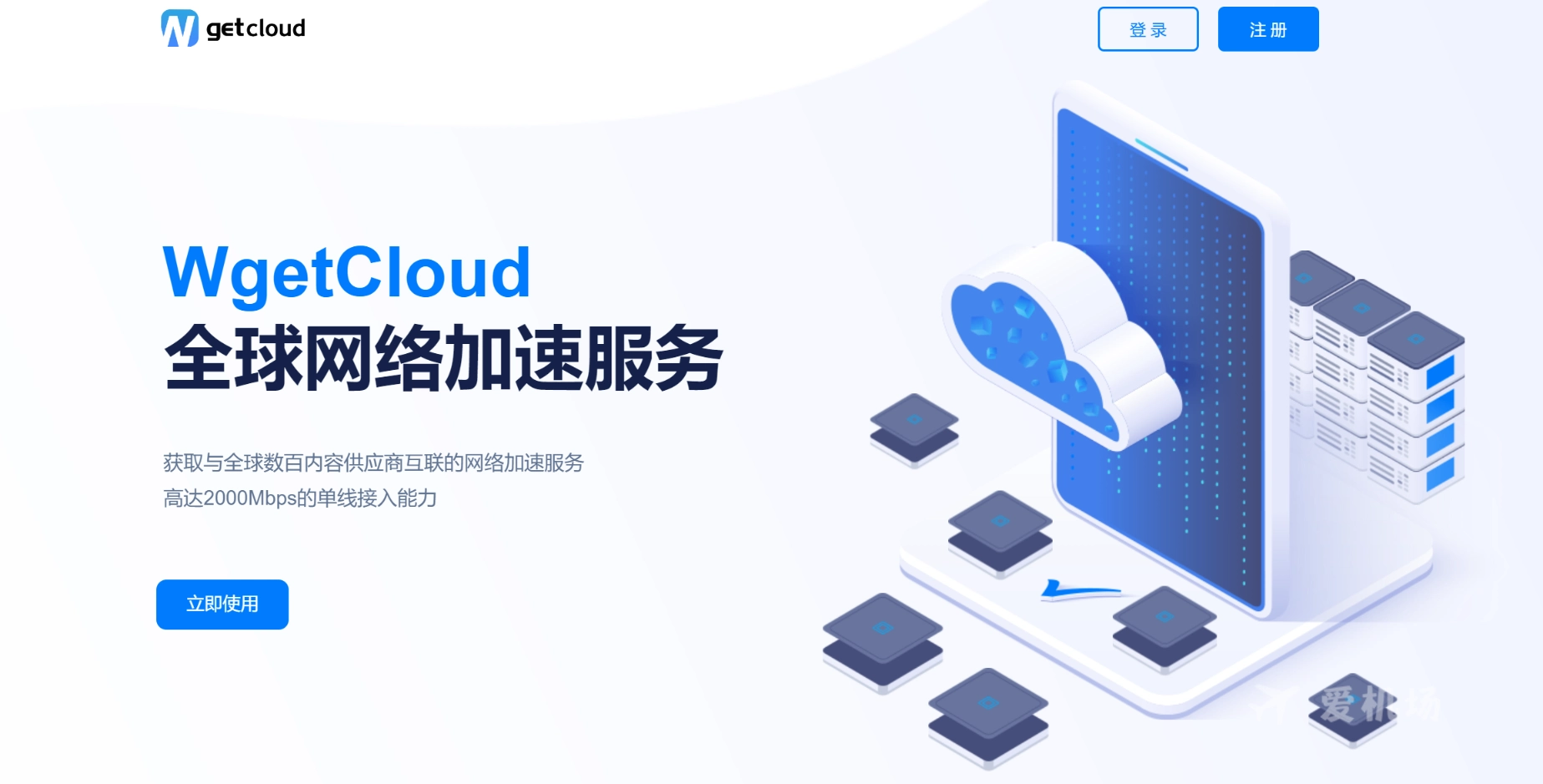
WgetCloud 是一家主打稳定翻墙的机场服务商,也是 2025 年度 GFWOFF 最推荐的机场之一,支持 Trojan 翻墙协议,采用国内优质服务器接入,亚马逊 Global Accelerator 专线加速。WgetCloud 由海外团队运作,套餐价格不便宜,属于高端翻墙机场,适合追求极致稳定的翻墙用户,如外贸工作、开发人员。支持定制套餐,重度翻墙用户或团队用户可在官网「增值服务」中进行流量和设备数量自定义套餐。WgetCloud 在 Windows 和 Mac 平台上有定制的一键翻墙客户端,在客户端软件中登录 WgetCloud 账号即可一键翻墙,十分简单,此外,新用户注册可享受8折优惠。
套餐价格:
- 基础专线:月付:¥59/月,140G流量/月。季付:¥162/季,200G流量/月。年付:¥588/年,240G流量/月。
- 优质专线:月付:¥69/月,160G流量/月。季付:¥195/季,220G流量/月。年付:¥708/年,280G流量/月。
- 精品专线:月付:¥79/月,180G流量/月。季付:¥228/季,240G流量/月。年付:¥828/年,320G流量/月。
WgetCloud 机场官网 | 如何使用 WgetCloud 全球加速?
2.Boost Net 机场
- IEPL 专线翻墙机场
- Shadowsocks 翻墙机场
- 新用户 8 折优惠码:boost
Boost Net 是一家成立于2024年的精品小众机场,线路为 IEPL 高端专线,稳定性也比较可靠,对 Netflix、Disney+ 流媒体以及 ChatGPT 的解锁不错。新用户 8 折优惠码:boost
套餐价格:
- ¥39/月,200G流量/月。
- ¥58/月,400G流量/月。
- ¥108/月,1000G流量/月。
- ¥500/月,3000G流量/月。
Boost Net 官网 | 如何使用 Boost Net 翻墙?

3.悠兔机场
- Shadowsocks 机场
- 稳定中转机场
- IEPL 专线机场
悠兔机场创立于 2022 年,佛系中转机场,Shadowsocks 协议节点,国内有多个入口并做了负载,算是中转隧道机场中体验不错的存在。悠兔机场在 2023 年新增了 IEPL 专线网络,相比于公网中转,专线网络的稳定性和速度表现更好。悠兔机场新用户还可使用8折优惠券:888
套餐价格:
- 基础套餐:¥20/月,100G流量。
- 进阶套餐:¥30/月,200G流量。
- 高级套餐:¥50/月,500G流量。
- 至尊套餐:¥100/月,1000G流量。

4.一云梯机场
- IPLC 专线机场
- Trojan 翻墙机场
一云梯是一家成立于 2024 年的新兴专业机场 VPN 服务商,海外专业团队运营靠谱程度高,Trojan 翻墙协议,全节点 IPLC 专线网络,节点解锁 Netflix、Disney+ 流媒体和 ChatGPT 服务。此外,一云梯机场有针对自媒体、外贸、独立站、TikTok、Shopify 等需求的定制方案提供。
套餐价格:
- VIP1:¥15/月,100G流量/月。
- VIP2:¥30/月,200G流量/月。
- VIP3:¥60/月,400G流量/月。
- VIP4:¥120/月,1000G流量/月。

5.蓝帆云机场
- SSR/V2ray 机场
- 稳定中转机场
- IPLC专线翻墙机场
蓝帆云是一家老牌翻墙机场在 2024 年新开的分站,提供海量 SSR/V2ray 翻墙协议节点,有国内中转和IPLC内网专线。IPLC专线不经过 GFW,即便是敏感时期,稳定性也有保证,不担心被封锁。蓝帆云机场节点都有标注倍率,使用时请注意流量消耗。
套餐价格:
- 入门版:¥11.9/月,50G流量。
- 基础版:¥16.9/月,100G流量。
- 标准版:¥26.9/月,200G流量。
- 高级版:¥36.9/月,350G流量。
- 旗舰版:¥59.9/月,600G流量。
- 旗舰版大流量:¥99.9/月,1200G流量。

6.FATCAT 肥猫云机场
- Shadowsocks 机场
- IEPL 专线机场
FatCAT 肥猫云是一家成立于 2023 年的机场,采用 Shadowsocks 协议,走高端路线全节点 IEPL 专线网络。机场支持 Netflix、Disney+ 和 ChatGPT 等。
套餐价格:
- 肥猫小包(开业限定):¥72/年,60G流量/月。
- 基础版:¥20/月,200G流量/月。
- 标准版:¥40/月,400G流量/月。
- 旗舰版:¥100/月,1000G流量/月。
7.SS-ID 机场
- Shadowsocks 翻墙机场
- IEPL 专线机场
- 注册免费试用
SS-ID 机场是一家 2024 开业的小众精品机场,低调稳定运营,Shadowsocks 协议节点,IEPL 专线网络,仅有几大常用地区节点,带宽冗余充足,解锁能力优秀,Netflix、Disney+、TikTok、ChatGPT 全套解锁。SS-ID 机场注册可免费试用半天,3G 免费流量。
套餐价格:
- 小包:¥66/季,140G流量/月。
- 中包:¥84/季,230G流量/月。
- 大包:¥120/季,400G流量/月。
- 超大包:¥180/季,750G流量/月。
8.SSRDOG 机场
- V2ray 翻墙机场
- IPLC/IEPL 专线机场
- 9折优惠码:999
SSRDOG 机场提供精品专线加速服务,常用地区 V2ray 高速节点。SSRDOG 注册可免费试用12小时,同时有不限时长按量付费套餐提供,目前正值促销活动期间,输入优惠码可享受9折优惠。SSRDOG 也有定制的一键翻墙客户端,支持 Windows、Mac 和 Android 系统,iOS 系统用户需要单独购买 Shadowrocket 或 Stash 搭配翻墙。
套餐价格:
- 轻量套餐:¥25/月,150G流量。
- 标准套餐:¥35/月,300G流量。
- 企业套餐:¥75/月,850G流量。
SSRDOG 机场官网 |如何使用 SSRDOG 机场翻墙?

9.小旋风机场
- Trojan 机场
- IPLC 专线机场
小旋风机场是一家 2024 年成立的小众机场,专业团队运营,靠谱程度高,节点使用 Trojan 协议,全线路 IPLC 专线网络,国内三网优化入口,负载均衡,解锁 Netflix、Disney+ 流媒体和AI 工具 ChatGPT 等。
套餐价格:
- 普通套餐:¥20/月,110G流量/月。
- 高级套餐:¥40/月,220G流量/月。
- 专业套餐:¥80/月,440G流量/月。
- 企业套餐:¥200/月,1200G流量/月。

10.CyberGuard
- IEPL 专线机场
- Shadowsocks 机场
CyberGuard 也叫 CG 加速器,机场团队主要人员位于海外,Shadowsocks 协议,线路有 IEPL 专线和 AnyCast 网络,对流媒体和 OpenAI 都提供解锁支持。CyberGuard 机场1元开启试用,有 3G 的试用流量。此外,CyberGuard 机场也提供不限时长的按量付费流量包套餐。CyberGuard 机场节点都有标注倍率,使用时也请注意流量消耗。
套餐价格:
- 轻量套餐:¥15/月,120G流量/月。
- 标准套餐:¥42/月,360G流量/月。
- 企业套餐:¥72/月,720G流量/月。
CyberGuard 官网 | 如何使用 CyberGuard 机场?






我这种小学生怎么会有信用卡呜呜呜
用电脑下载了前两个一直连接,根本用不了啊????
免费VPN不保障可用性,建议付费翻墙梯子,这里有便宜的:
https://gfwoff.org/cheap-proxy-providers/